
Understanding Septic Systems

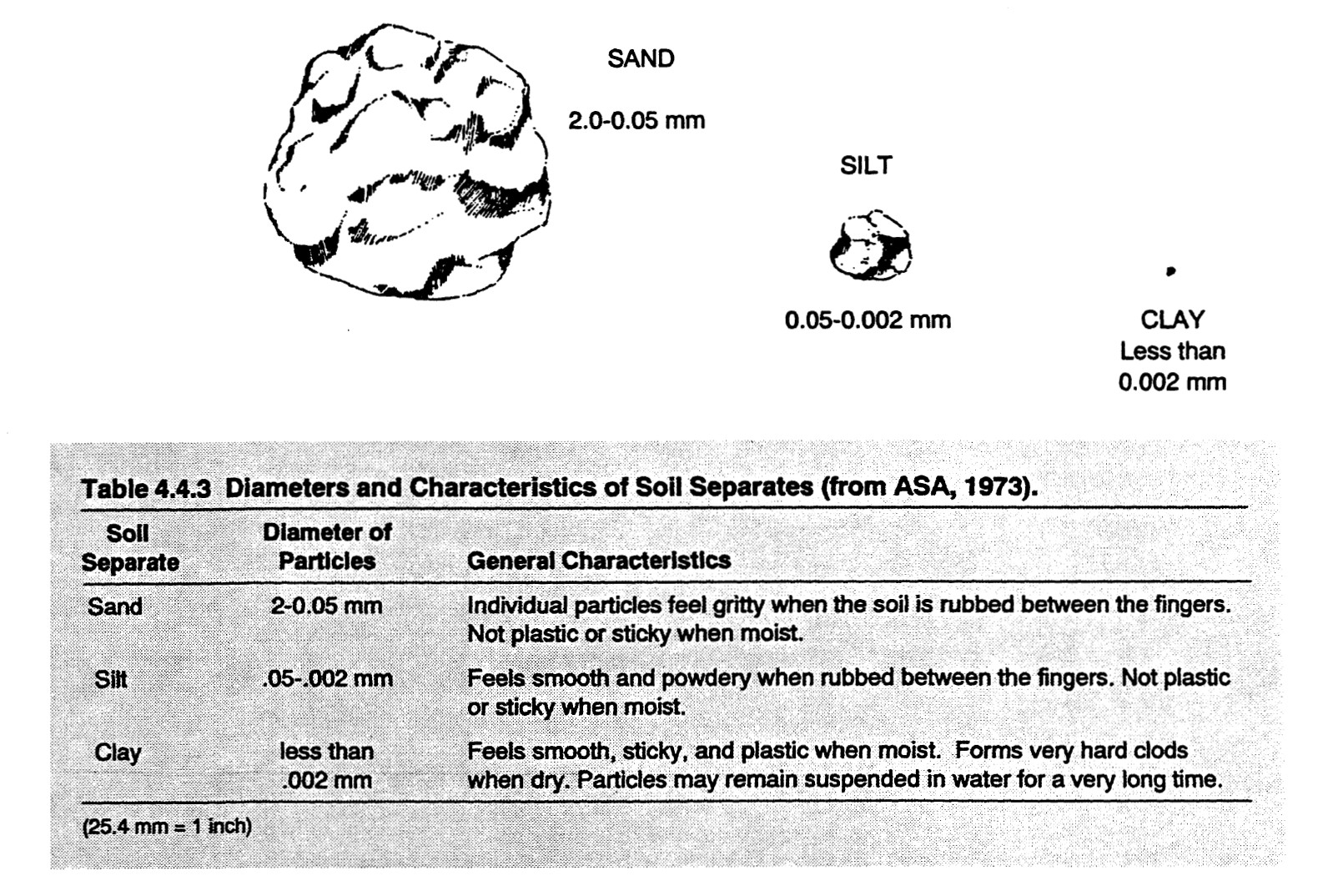
Experience with a number of sites and numerous soils will aid in determining a proper value for LTAR. By misclassifying the limiting soil textural horizon or by estimating the wrong LT AR, the entire calculation for treatment and disposal field area can be altered.

Large on-site systems require a more-detailed site evaluation to more accurately determine the LT AR. A standard description of what a site and soil evaluation would be for a large system is not possible.


The loading rate of an on-site system is the amount of wastewater applied to a square foot of soil per day. This rate depends on a number of factors, including the long-term acceptance rate of the soil at the infiltrative surface, the type of onsite system, and the contents of the wastewater.

Available space for on-site systems depends on both the area of acceptable soil and site conditions and the required separation distances between the on-site system and buildings, water supplies, and other structures.

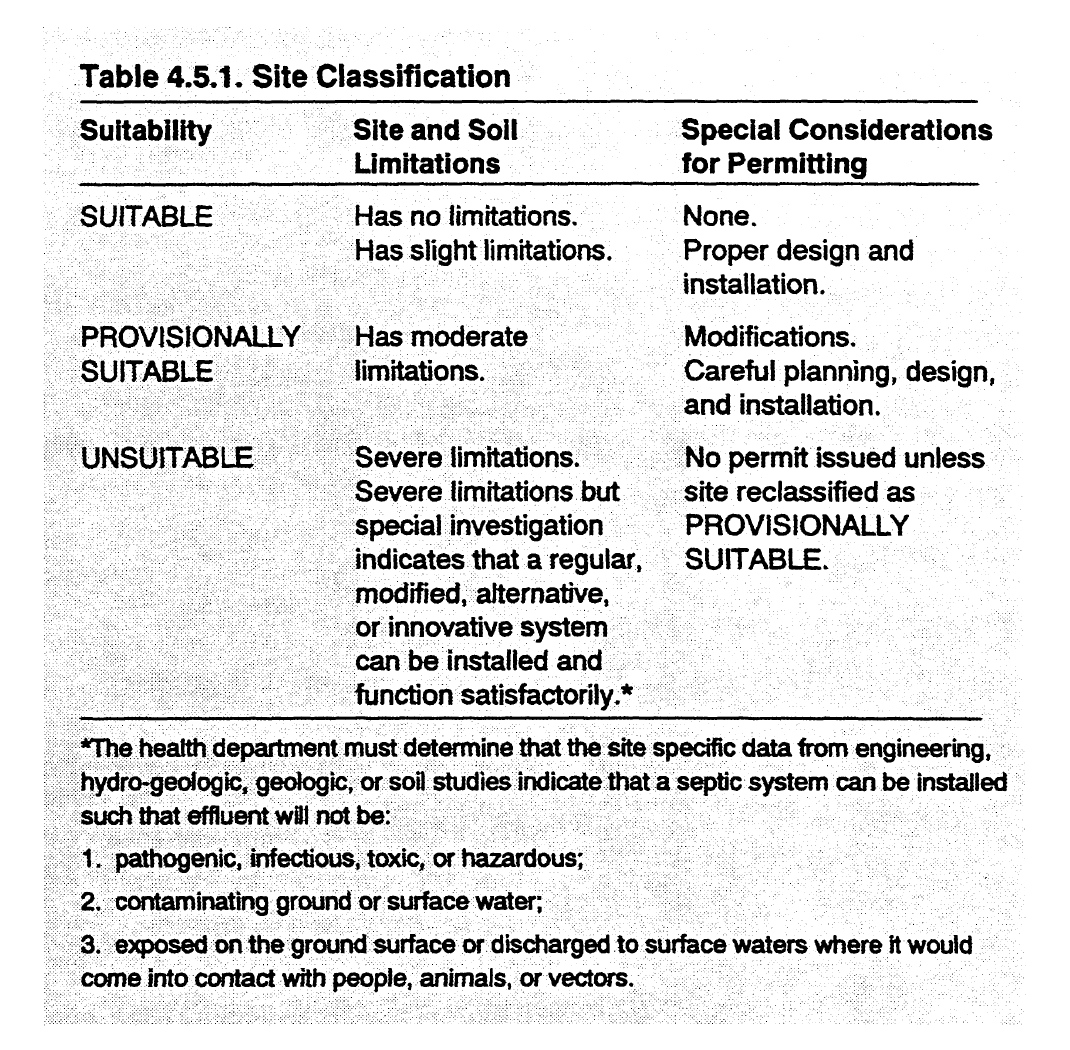
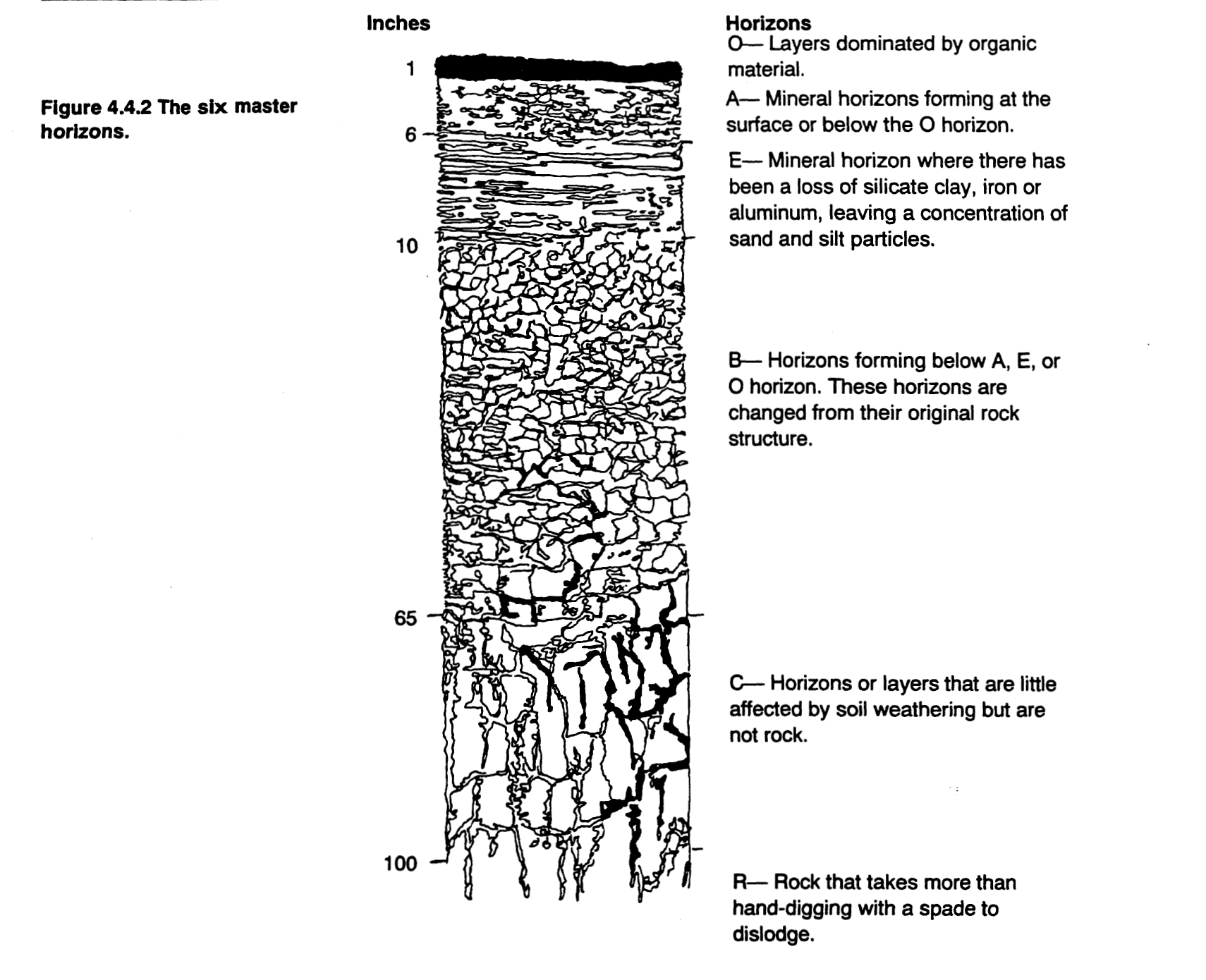
The depth where restrictive horizons are located is important when determining the suitability of a site. Because restrictive horizons retard or stop water or wastewater flow, the presence of these horizons, if they are too close to the soil surface, can disqualify a site for on-site system installation.

Soils must have enough depth so that wastewater is properly treated. Soil depth from the soil surface to the saprolite, rock, or parent material is a major factor in determining the suitability of the site for on-site systems.

Adequate treatment of wastewater can only occur in well-aerated soils. Because wet soils do not allow adequate treatment of wastewater, on-site systems must not be installed in wet soils.

Soil characteristics are critical in determining the suitability of a soil for treating wastewater. In North Carolina, the four soil characteristics evaluated are texture, structure, clay mineralogy, and organic soils. These characteristics are evaluated by using soil borings and soil pits.

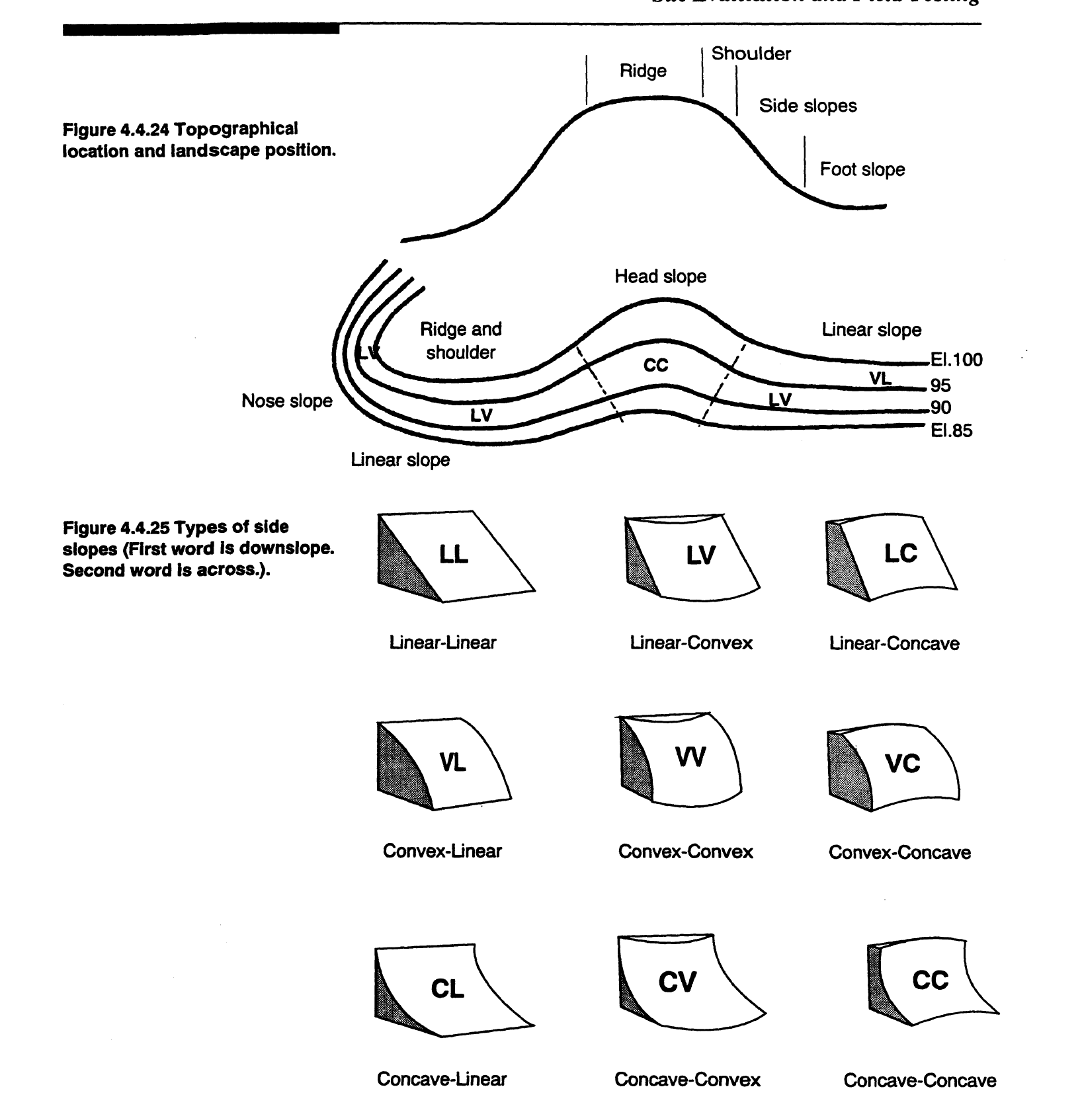
Two factors, slope and landscape position, determine whether water will collect at a site or flow away from the site. In general, concave or flat features accumulate water, resulting in wetter soil conditions.




Conventional on-site systems are the most common and the simplest on-site wastewater disposal systems. Installed properly, conventional systems are very reliable and require minimal maintenance.